
Nvidia and AMD boost revenue amid demand for AI chips
Nvidia and AMD reported strong growth in their AI chip businesses despite a brief pause in training advanced models. Demand is also sustained by the deployment of already developed models.
OpenAI's pause in its largest planned training of an advanced model was short-lived: the company resumed operations while temporarily limiting some small-scale experiments. Anthropic also released updated versions of its models. This did not affect the results of accelerator manufacturers.
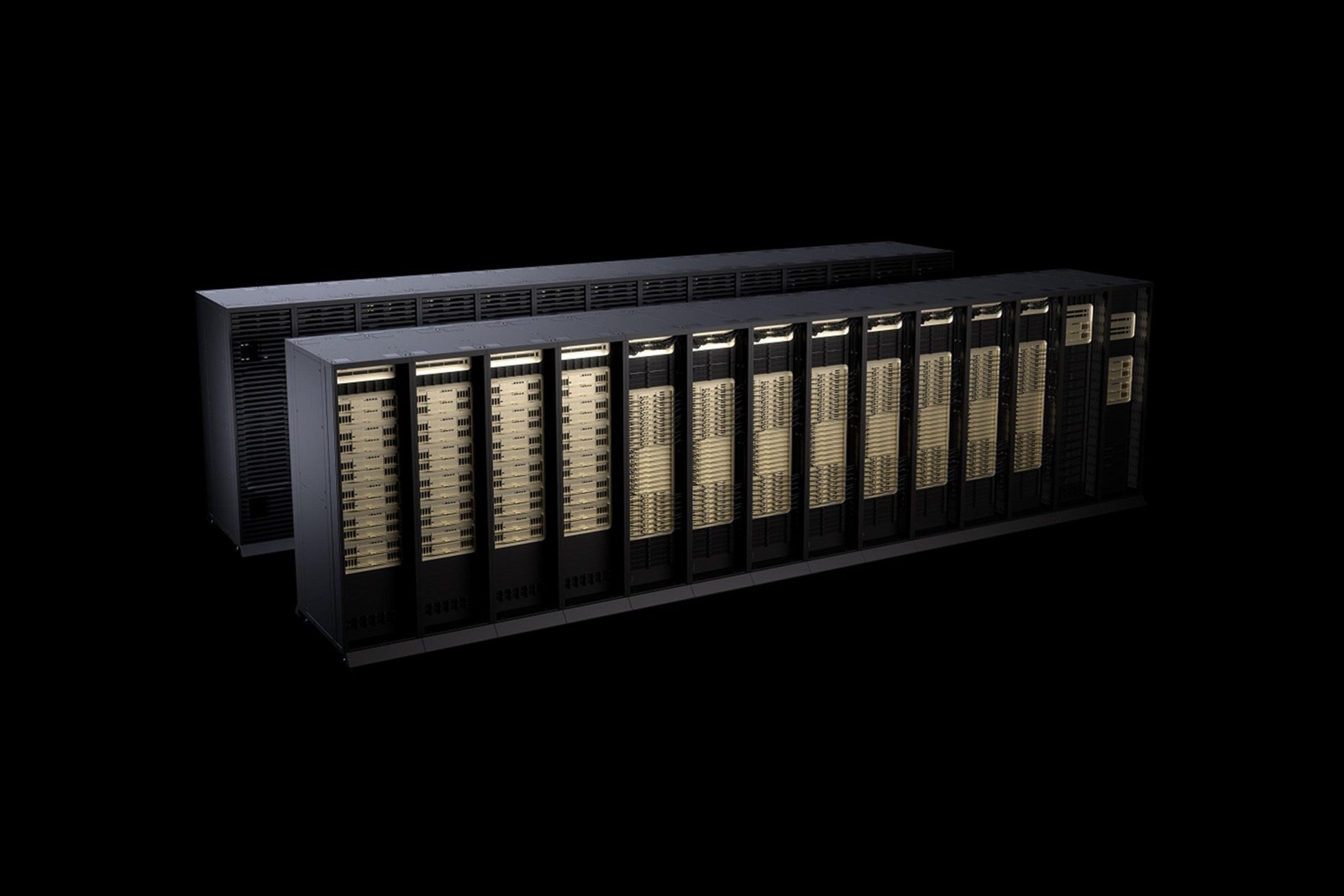
Nvidia's quarterly data center revenue grew by 110% year-over-year, reaching $107.6 billion. The company began shipments of its Vera Rubin NVL72 computing system, and its platform generated nearly $20 billion in the first quarter of production shipments. The systems are operational at CoreWeave, Google, Microsoft, and Oracle; Meta plans to expand their use.
AMD reported its largest quarter in history, with total revenue increasing by 45% to $13.4 billion. Among the first clients of its Helios systems based on MI450 accelerators were OpenAI and Anthropic. According to AMD and Nvidia, their solutions are designed for both training and inference—the deployment of already developed models and AI agents.
Counterpoint Research analyst Neil Shah believes that the slowdown in training will not shrink the chip market but will redistribute spending. Demand for inference is growing, and falling token prices are encouraging more active AI usage. Meanwhile, companies may switch to custom chips if they prove cheaper than general-purpose GPUs.